

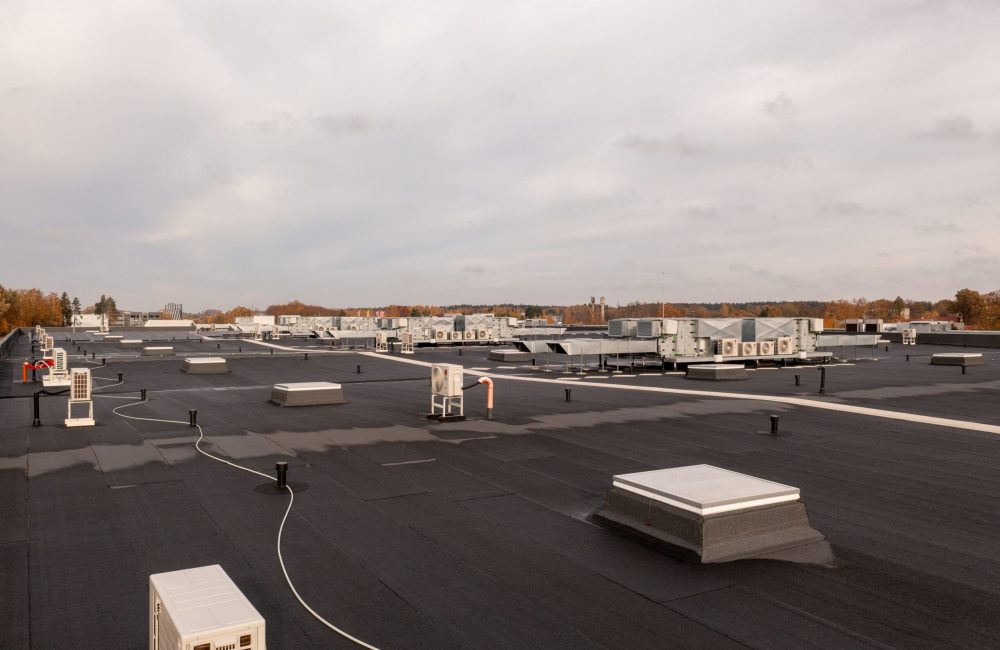
As winter approaches, commercial property owners and facility managers face two important priorities: preparing their buildings for harsh weather and planning next year’s maintenance expenses.
Your commercial roof plays a critical role in protecting the building, its occupants, equipment, and inventory. But when roof maintenance is postponed until a leak or major problem develops, the resulting repairs can be more disruptive and difficult to budget for.
The end of the year is an ideal time to review your roof’s condition, address maintenance needs, and use that information to develop more informed 2027 commercial roof budget planning.
Whether your property has a TPO, EPDM, modified bitumen, built-up, metal, or another roofing system, these six steps can help you prepare for winter while planning ahead for the year to come.
1. Identify and Prioritize Roof Maintenance Needs
Effective roof management starts with understanding the condition of your roofing assets and knowing where attention is needed most. Before winter arrives, review maintenance history, previous leaks, outstanding repair proposals, and any recurring issues across your buildings.
Look for patterns that may indicate larger concerns, such as repeated leaks, deteriorating flashing or sealants, drainage problems, or repairs that haven’t been completed. Reviewing service reports, photos, and previous recommendations can help you distinguish immediate maintenance needs from projects that require longer-term planning.
For buildings with limited maintenance history or recurring problems, a professional roof inspection can provide a clearer picture of current conditions and help establish priorities.
Budgeting benefit: Identifying and prioritizing roof maintenance needs helps you allocate funds to the most urgent repairs, forecast upcoming expenses, and plan for larger capital projects in your 2027 roofing budget.
2. Clear Roof Drains and Address Drainage Problems
Proper drainage is essential to commercial roof performance, particularly during periods of rain, snow, and fluctuating temperatures.
Leaves, dirt, branches, and other debris can obstruct drains and scuppers, preventing water from leaving the roof efficiently. When water collects in low areas, it can place additional stress on the roofing system and expose existing weaknesses.
Before winter, have roof drains, scuppers, gutters, and other drainage components checked and cleared as appropriate. A roofing professional should also investigate persistent ponding water or signs that drainage isn’t functioning as intended.
Keep in mind that removing debris is not the same as resolving an underlying drainage problem. Damaged components, poor drainage design, or recurring ponding may require additional work.
Budgeting benefit: Routine drainage maintenance is generally easier to plan for than an unexpected water intrusion event. If larger drainage improvements are needed, documenting them now helps you determine whether the work belongs in your current maintenance spending or your 2027 capital plan.
3. Prepare for Snow, Ice, and Freeze-Thaw Conditions
Winter weather can challenge commercial roofing systems in several ways. Snow accumulation can add weight, ice can obstruct drainage, and repeated freezing and thawing can aggravate existing cracks, gaps, and other vulnerabilities.
The specific risks depend on the roof’s design, drainage, condition, and exposure. Older systems and areas with known deficiencies may require closer attention before severe weather arrives.
As part of winter preparation, consider whether your roof needs:
-
- Repairs to vulnerable seams, flashing, or penetrations
-
- Attention to recurring drainage or ponding issues
-
- Review of known leak locations and previous repairs
-
- An established response plan for significant snow or ice events
-
- A qualified professional’s evaluation of any concerns about snow loading
Snow and ice should not be removed casually or by unqualified personnel. Improper removal methods can damage roofing materials and create serious fall hazards. Follow the building’s established procedures and consult qualified professionals when necessary.
Budgeting benefit: Understanding your building’s winter vulnerabilities helps you plan for preventative work and determine whether additional services or emergency-response arrangements should be included in your annual maintenance budget.
4. Prioritize Repairs Before Winter Limits Your Options
Not every roofing issue requires the same level of urgency. Some deficiencies should be addressed promptly, while others may be suitable for planned maintenance or future capital work.
The challenge is determining which is which before winter conditions make repairs more difficult.
Cold temperatures, snow, ice, and wet surfaces can limit access and affect the installation or performance requirements of certain roofing materials. Some repairs may still be possible in cold weather, but they depend on the roofing system, materials, weather conditions, and manufacturer’s requirements.
Review any outstanding repair recommendations or proposals and group the work by priority:
-
- Immediate concerns: Active leaks, compromised flashing, open seams, or other deficiencies that could allow water intrusion.
-
- Preventative repairs: Deteriorated sealants, localized membrane damage, and other issues that could worsen if left unaddressed.
-
- Planned improvements: Larger repairs, coatings, drainage upgrades, or other projects that require additional budgeting and coordination.
This approach helps separate urgent maintenance from work that can be scheduled strategically.
Budgeting benefit: Reviewing repair proposals before year-end gives you a clearer picture of outstanding expenses and potential 2027 needs. It also helps you avoid treating every roof issue as an emergency when some work can be planned in advance.
5. Evaluate Roof Condition and Remaining Service Life
Repairing today’s problems is only part of managing a commercial roof. Property owners also need to understand the roof’s overall condition and how much useful service life may remain.
A roof that needs a few localized repairs may be a good candidate for continued maintenance. A roof with widespread deterioration, recurring leaks, or multiple failing components may require a more comprehensive plan.
A professional roof condition review can help you evaluate:
-
- The overall condition of the roofing system
-
- The extent and frequency of recurring issues
-
- Previous repairs and maintenance history
-
- Potential repair, restoration, or replacement needs
- The likely timing of larger future expenditures
No inspection can predict every future failure or establish an exact replacement date with certainty. However, documented observations and consistent monitoring provide a more useful basis for planning than relying on the roof’s age alone.
Budgeting benefit: Understanding your roof’s condition helps you distinguish between routine operating expenses and larger capital expenditures. It also gives you more time to evaluate options, obtain proposals, and coordinate work with other building priorities.
6. Build a Smarter Commercial Roof Budget for 2027
Once you understand the roof’s current condition and outstanding maintenance needs, you can use that information to develop a more realistic budget for the coming year.
Rather than allocating funds based only on previous spending, consider the work your buildings actually need and the expenses you may face in the future.
A practical commercial roof budget should account for:
Preventative maintenance. Include scheduled inspections, debris removal, routine maintenance, and minor repairs. Consistent maintenance helps you identify developing problems and keep track of changing roof conditions.
Outstanding repairs. Review existing proposals and recommendations. Separate urgent work from items that can be scheduled later, and establish priorities based on condition, potential consequences, and available funding.
Capital planning. If a roof may require major repairs, restoration, or replacement in the coming years, begin evaluating the likely scope and timing. Early planning provides more flexibility than waiting until a major failure forces an immediate decision.
Emergency preparedness. Consider how leaks or severe weather events would be handled, including emergency service availability and the potential costs associated with unplanned work.
Documentation and reporting. Maintain inspection reports, photos, repair histories, and budget recommendations for each building. Consistent records make it easier to compare conditions across a portfolio and explain why certain expenditures are necessary.
For organizations managing multiple properties, a centralized roof maintenance plan can make this process considerably easier. It provides a consistent way to track building conditions, schedule service, and identify which roofs need attention first.
The goal isn’t to eliminate every unexpected expense. That’s an unrealistic promise for any building system exposed to the elements. The goal is to reduce avoidable surprises and make informed decisions about where roofing dollars should go.
Make Winter Preparation Part of Your Long-Term Roof Management Plan
Winter preparation shouldn’t be an isolated annual task. It should be part of an ongoing approach to commercial roof maintenance and asset management.
A structured roof care program helps keep inspections, maintenance, minor repairs, and condition reporting on a regular schedule. It also creates a record of how each roof changes over time, supporting better maintenance decisions and longer-term capital planning.
NIR Roof Care® helps commercial property owners and facility managers manage their roofing assets through customized preventative maintenance plans. The NIR Roof Care Plan® includes a 27-point inspection, preventative maintenance, minor repairs, photos, condition reporting, and budgetary recommendations. Each plan can be tailored to the building’s needs and desired service frequency.
With a dedicated Roof Care Specialist and Roof Management Advisor, property managers also have a consistent point of contact for roof-related needs. For unexpected issues, NIR provides 24/7 emergency dispatch.
Whether you manage one commercial property or a larger portfolio in Illinois, Wisconsin, or Indiana, having a clear picture of roof condition today can help you prepare for winter and make more informed spending decisions in 2027.
Commercial Roof Budget Planning: Frequently Asked Questions
When should a commercial roof be inspected before winter?
A commercial roof should ideally be inspected before severe winter weather arrives, allowing time to identify deficiencies, schedule appropriate repairs, and address drainage issues. The best timing depends on the roof’s condition, local weather, and the building’s maintenance schedule.
What should be included in a commercial roof maintenance budget?
A commercial roof maintenance budget should account for routine inspections, preventative maintenance, minor repairs, outstanding repair recommendations, emergency response, and anticipated larger projects. Reviewing roof condition and service history can help determine how funding should be prioritized.
How can preventative maintenance help control commercial roofing costs?
Preventative maintenance helps identify and address developing problems before they become more extensive. While it cannot prevent every leak or eliminate unexpected expenses, regular inspections and documented maintenance can support better decisions and reduce reliance on reactive repairs.
Should commercial roof replacement be included in the annual budget?
If a roof is approaching the end of its expected service life or showing widespread deterioration, replacement should be evaluated as part of long-term capital planning. The appropriate timing depends on the roof’s actual condition, repair history, and future performance, not age alone.
Can commercial roof repairs be completed during winter?
Some repairs can be completed in cold weather, but feasibility depends on the roofing system, materials, manufacturer’s requirements, and site conditions. Other work may need to wait for suitable weather. A qualified roofing professional can determine the appropriate approach.
Plan Ahead With NIR Roof Care®
Preparing your commercial roof for winter is an opportunity to do more than address immediate maintenance needs. It’s a chance to understand your roof’s condition, prioritize repairs, and build a more informed roofing budget for 2027.
Looking for a more proactive approach to roof maintenance? Learn more about the NIR Roof Care Plan® and how a customized maintenance program can help you manage your roofing assets throughout the year.
Dealing with an active leak or urgent roofing issue? Visit our Emergency Roofing Services page to learn about NIR’s 24/7 emergency dispatch.